Cultural Trends in Logo Design: Lessons from 2026
Explore how 2026's cultural trends and art movements shape logo design, revealing new visual languages adapted for today's evolving brand landscapes.
Cultural Trends in Logo Design: Lessons from 2026
In 2026, logo design continues to evolve uniquely, reflecting the rich tapestry of art movements and societal changes that define our current era. As businesses worldwide seek to establish compelling visual identities, understanding the deep-rooted cultural trends shaping logo design and branding is more critical than ever. This definitive guide explores how the visual language of logos draws from contemporary societal shifts and artistic influences, providing valuable insights for small business owners and branding professionals eager to align their logos with today’s creative culture.
1. The Interplay of Art Movements and Logo Design
Modernism Redux: Simplicity Meets Meaning
The resurgence of modernist principles in logo design embraces minimalism while maintaining storytelling depth. This trend shows how brands strip excess to communicate core values with precision, mirroring the mid-20th-century art movement but updated for a digital-first audience. Modernism's influence manifests in clean lines, geometric shapes, and thoughtfully curated color palettes that ensure logos remain versatile across platforms.
For a comprehensive understanding of minimalism’s impact on logo development, see our full minimalist logo design guide.
Neo-Expressionism: Emotion and Authenticity in Logos
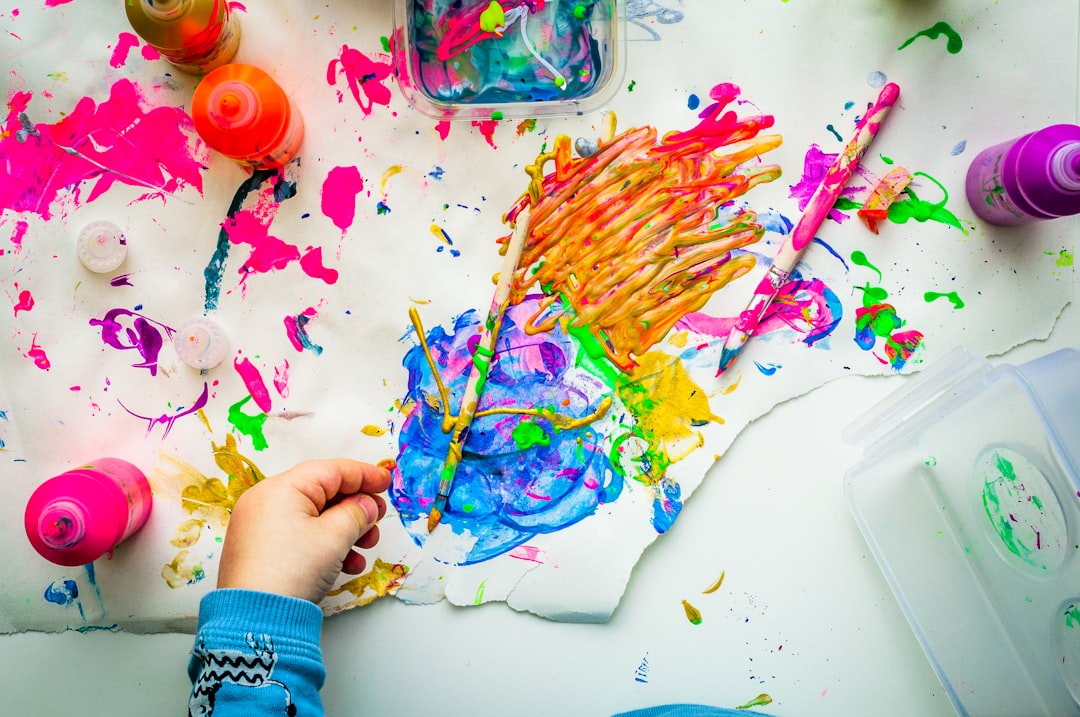
Contrasting minimalism, neo-expressionism inspires logos that emphasize raw, emotional, and energetic aesthetics. This movement reflects society’s craving for authenticity amid an increasingly virtual world. Brands tapping into this trend favor hand-drawn elements, bold brush strokes, and vibrant, sometimes clashing colors that reflect human imperfection and creativity. Such logos stand out by conveying personality, inviting deeper audience connection and cultural commentary.
Digital Surrealism: Blurring Reality and Design
Emerging from the digital art scene, surrealism influences logo designers to incorporate dreamlike, abstract elements, combining unexpected forms and gradients. This interplay enhances logos' memorability and innovation, fitting brands in emerging technology, entertainment, and creative industries. Digital surrealism allows for greater narrative flexibility, mirroring complex societal narratives and identity explorations.
2. Societal Changes Influencing Logo Visual Language
Sustainability as a Core Brand Value
Concerns about environmental responsibility seep deeply into visual branding. In 2026, logos prioritize earthy colors, organic shapes, and symbols that evoke nature and renewal. This trend not only signals commitment to sustainability but also resonates with a consumer demographic increasingly motivated by ethics. Businesses utilize logos as a tool for transparent communication about their societal roles and eco-friendly practices.
Explore strategies to infuse sustainability into your brand visuals in our article on sustainable logo design.
Inclusivity and Diversity Reflected Visually
Contemporary societal shifts emphasize inclusivity and multicultural representation, directly shaping logo design. Designers integrate versatile color palettes representing diverse identities and typography choices that balance readability and cultural nuances. The logos of 2026 strive to be universally relatable yet locally resonant, acknowledging a globalized market while honoring specific cultural contexts.
Technology and Digitization Impact
The pervasive digital transformation influences logos to leverage motion graphics, augmented reality compatibility, and adaptive elements that respond dynamically on diverse screens. Brands are no longer static icons but interactive experiences, reflecting society’s expectation for interconnectivity and innovation. These changes invite businesses to reconsider traditional visual language in favor of flexible, evolutive designs.
Delve into adaptive logo design techniques in our guide about adaptive logos for digital platforms.
3. Design Evolution: From Static Marks to Narrative Symbols
Storytelling Through Visual Elements
Logo design in 2026 transcends simple identification, becoming an encapsulation of brand stories. Visual elements are carefully chosen to communicate history, values, and aspirations — transforming logos into narrative symbols that foster emotional engagement. This evolution aligns with findings from cultural studies linking strong storytelling to brand loyalty and conversion rates.
Dynamic and Responsive Logos
Static logos give way to designs that evolve depending on context and audience interaction. Such logos adjust colors, shape intricacy, or animation speed to suit digital or print formats, reflecting the need to meet users wherever they are while preserving brand consistency. This approach also caters to emerging technologies like wearable devices and interactive displays, keeping brands relevant across touchpoints.
Integration of Typography and Iconography
The blend of typography and iconography in logos has become increasingly seamless. Custom fonts are crafted to complement graphic motifs organically, reinforcing the brand’s voice and cultural stance. This synergy enhances memorability and professional appeal, addressing small businesses' pain points of maintaining consistent branding across media.
4. Contemporary Cultural Commentary in Logo Design
Reflecting Social Movements and Identity Politics
Logos are increasingly vehicles for cultural commentary, subtly echoing social movements such as gender inclusivity, racial equality, and mental health awareness. Design elements like color choices, icon styles, and composition indirectly reflect these themes, displaying the brand’s awareness and values. This strategy strengthens trust and positions brands as socially conscious leaders.
Nostalgia vs Futurism: Duality in Brand Expression
Many logos juxtapose nostalgic aesthetics with futuristic elements to convey both reliability and innovation. This duality appeals to diverse audiences across generations, blending the comforting familiarity of past art with the excitement associated with progress. Such contrasting approaches highlight evolving consumer preferences shaped by cultural dialogues.
Our piece on nostalgic branding trends elaborates on how to integrate these elements effectively.
Pop Culture and Subcultural Influences
Pop culture remains a fertile ground for logo inspiration, incorporating memes, street art, and music iconography in subtle or overt ways. Subcultures, too, inspire niche brands with distinctive visual languages that challenge mainstream aesthetics, promoting diversity within the marketplace. This trend reflects the democratization of design, where grassroots culture increasingly shapes commercial visuals.
For deeper insights, see our analysis on pop culture in logo design.
5. Practical Applications: Branding for Small Businesses in 2026
Fast, Affordable, Yet Professional Design Solutions
The demand for quick turnaround times and budget-friendly services has propelled a hybrid approach, merging DIY design tools with vetted designer collaborations. Small businesses benefit from downloadable brand kits and print-ready assets that deliver professional visuals without excessive costs or delays. These resources ensure cohesive branding from logo to marketing collateral, addressing common pain points effectively.
Choosing Between DIY and Designer Services
Given the rich cultural trends influencing logo design, small business owners face the challenge of selecting suitable design paths. DIY tools offer speed and affordability but may lack the nuanced cultural layering expert designers provide. Our resource on hiring designers vs DIY logos discusses decision criteria based on project scope and brand vision.
Scalable and Adaptable Brand Assets
Incorporating vector formats and adaptive logo versions enables brands to maintain consistency across digital, print, and emerging media. These scalable assets form the backbone of effective brand identity systems, crucial to building recognition and customer trust over time. Small businesses using ready-to-use templates simplify internal workflows, reinforcing brand equity.
6. Case Studies: Cultural Trends Reflected in 2026 Logo Successes
EcoWave: Embracing Sustainability in Visual Identity
EcoWave, a green energy startup, designed their logo inspired by organic forms and natural color palettes, symbolizing renewable energy’s flow. Their mark adopts modernist simplicity with subtle neo-expressionist textures to express authenticity. This blend resonates deeply with their eco-conscious client base, illustrating the integration of cultural and societal influences.
DigiDream: Futuristic Surrealism Meets Inclusivity
DigiDream, a tech collective, employs dynamic logos that morph during user interaction, symbolizing digital fluidity and diversity. Their visual language incorporates augmented reality elements reflecting the digital surrealism trend, while carefully curated colors emphasize inclusivity and multiculturalism, reinforcing brand values while engaging a tech-savvy audience.
Heritage Threads: Nostalgia Combined with Modern Storytelling
Heritage Threads, a fashion brand, utilizes typography and iconography inspired by vintage textile printing but incorporates adaptive design features for online presence. Their logo acts as a narrative symbol conveying roots and innovation simultaneously, appealing to a broad demographic that values craftsmanship and contemporary style.
7. Comparing Logo Design Approaches in 2026
| Aspect | Modernism | Neo-Expressionism | Digital Surrealism | Sustainability Focus | Inclusivity Emphasis |
|---|---|---|---|---|---|
| Design Style | Minimal, geometric | Bold, textured | Abstract, dreamlike | Organic, earthy tones | Diverse colors, readable fonts |
| Emotional Appeal | Clarity, professionalism | Authenticity, energy | Innovative, mysterious | Ethical, natural | Welcoming, universal |
| Use Case | Corporate, tech, startups | Creative industries, arts | Entertainment, tech | Eco-brands, nonprofits | Global brands, social initiatives |
| Logo Type | Static and responsive | Often hand-drawn | Dynamic, animated | Organic shapes | Adaptive palettes |
| Example | Google's clean rebrand | Local artisan shops | DigiDream tech logo | EcoWave emblem | Multicultural NGO logos |
Pro Tip: Combining elements from different art movements allows logos to resonate on multiple cultural levels, enhancing brand differentiation and emotional connection.
8. How to Harness Cultural Trends in Your Logo Design
Conduct Deep Audience Research
Understanding your target audience’s cultural context and values is essential. Research societal trends and preferences that influence your market, ensuring design choices align with customers’ expectations and aspirations. Tools like social listening and cultural trend reports can offer invaluable insights for your visual strategy.
Collaborate with Designers Familiar with Cultural Nuance
Partner with logo designers or agencies that have demonstrated experience in integrating cultural commentary and art influences adeptly. Their expertise will help translate complex societal narratives into compelling, appropriate visual language, evading generic or tone-deaf outcomes.
Test and Iterate Designs Across Mediums
Given the increasing importance of adaptability, test logos in various digital and print contexts, including interactive demos where possible. Iteration based on real user feedback ensures that your brand visuals perform optimally and remain relevant as cultural trends rapidly evolve.
9. Overcoming Common Challenges in Cultural Logo Branding
Balancing Creativity and Professionalism
While it’s tempting to embrace bold, unconventional elements, logos must remain professional and clear in messaging. Striking this balance requires strategic restraint while preserving authentic expression from cultural inspirations.
Managing Budget Without Compromising Depth
Harness affordable professional resources offering curated design kits or vetted marketplaces to access quality logo options infused with cultural relevance. This approach helps small businesses avoid the pitfalls of overly simplistic DIY tools or expensive full custom design projects.
Ensuring Consistency Across Platforms
Inconsistent use of logos damages brand recognition and trust. Develop comprehensive brand kits including scalable vector files, adaptive logo versions, and precise usage guidelines to maintain cohesive visual language throughout all channels.
10. Future Outlook: Emerging Cultural Currents in Logo Design
Affective Design and Neural Aesthetics
Research into how humans emotionally process visual stimuli will encourage the rise of affective logo design, where logos adapt in real-time to audience mood or context, creating a new layer of engagement deeply tied to cultural cognition.
Cultural Hybridization and Cross-Pollination
Global communication accelerates cultural cross-pollination, inspiring logos that merge diverse art traditions and societal symbols. This fusion promotes inclusivity and universal appeal while celebrating local identities.
Sustainability and Ethical Transparency as Brand Pillars
As consumers demand greater accountability, future logo designs will increasingly incorporate visual narratives around sustainability and ethics using iconography and color psychology, building trust through transparency.
Frequently Asked Questions
1. How do art movements influence logo design?
Art movements provide visual vocabularies and conceptual frameworks. Designers borrow styles, motifs, and philosophies from these movements to communicate brand values effectively in the visual language of logos.
2. Why is cultural relevance important in branding?
Cultural relevance ensures that your brand resonates authentically with your audience's identity, values, and societal context, increasing emotional engagement and trust.
3. Can small businesses afford culturally nuanced logo designs?
Yes. Many affordable resources, like downloadable brand kits and vetted designer marketplaces, help small businesses access professional logo designs infused with cultural trends.
4. How can logos adapt to meet digital and print needs?
Adaptive logos feature scalable vector designs and responsive variants that maintain clarity and impact across device screens, print materials, and interactive media.
5. What role does sustainability play in today's logos?
Logos that incorporate natural colors, organic shapes, and sustainability symbolism communicate a brand’s commitment to environmental responsibility, meeting consumer expectations in 2026.
Related Reading
- Sustainable Logo Design Tips - How to create eco-friendly logos that appeal to conscious consumers.
- Adaptive Logos for Digital Platforms - Techniques for making logos versatile in an omni-channel environment.
- Nostalgic Branding Trends - Using nostalgia to forge emotional connections with customers.
- Hire Designer vs DIY Logo - Choosing the best option for your brand’s budget and vision.
- Pop Culture in Logo Design - Leveraging current cultural moments to enhance brand relevance.
Related Topics
Unknown
Contributor
Senior editor and content strategist. Writing about technology, design, and the future of digital media. Follow along for deep dives into the industry's moving parts.
Up Next
More stories handpicked for you

Brutalist Influence: How to Use Architectural Aesthetics in Logo Design

Artistic Collaboration: Lessons from Community Art Initiatives for Logo Designers

From Billboard to Onboarding: Creating a Recruitment Micro-Site with Strong Brand Identity

The Healing Power of Nature: Designing Logos Inspired by Remote Living

The Impact of Timeless Aesthetics: Analyzing Chagall’s Murals for Modern Logo Design
From Our Network
Trending stories across our publication group

From Audience Insights to Creative Outputs: The Value in Data-Driven Decision Making

Leveraging AI in Brand Discovery: A Roadmap for 2026

Navigating the Competitive App Store Landscape: Best SEO Practices for Increased Visibility

Conversion Copy Tips for Fundraisers: Personalization That Scales

Harnessing the Power of AI for Creative Brand Strategies: A Look at Meme Culture